Even the most meticulously planned Assistive Technology applications don’t always align with funding timelines. When…
Behaviour is Communication
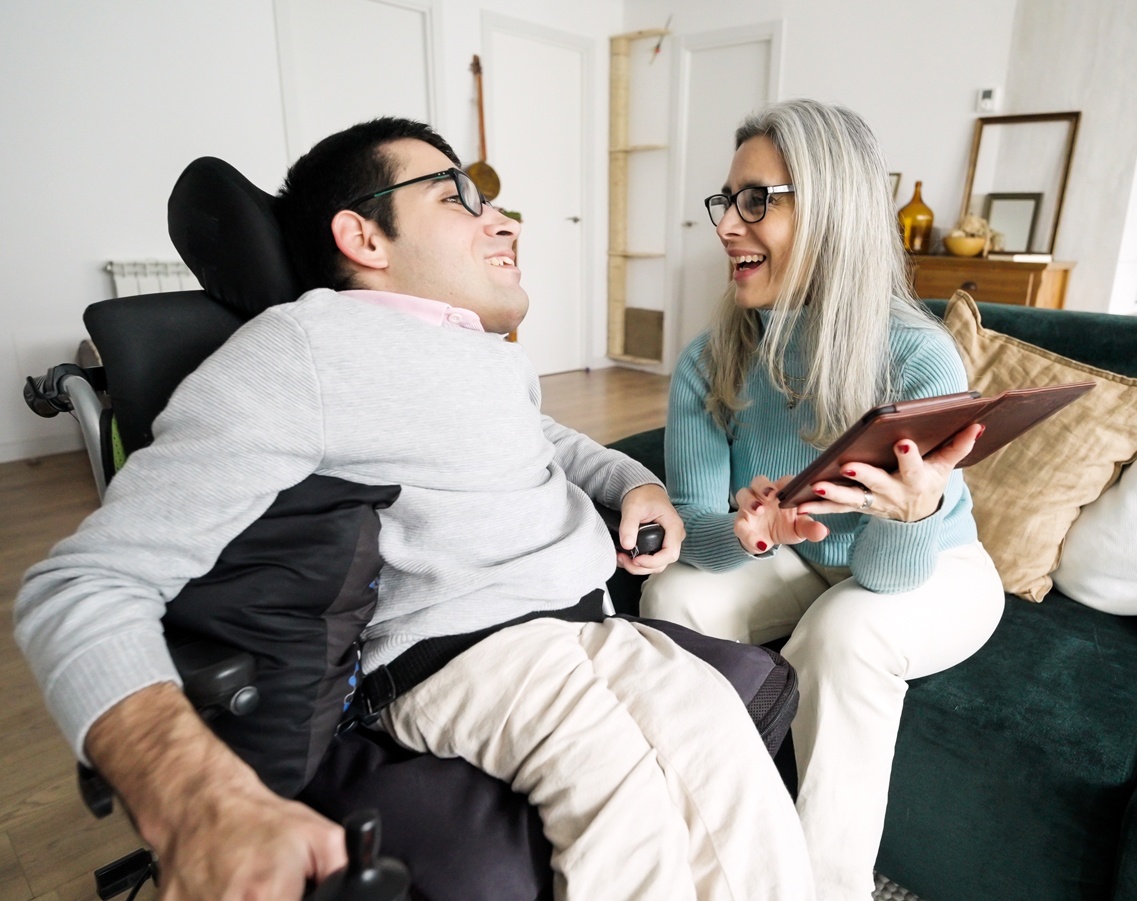
Behaviour is Communication: Understanding Discomfort vs Emotional Distress in Wheelchair Seating.
Exhibiting a distressed behaviour that is challenging and agitated, is often observed as purely emotional or behavioural. However, for a wheelchair user, especially non verbal or individuals with cognitive impairments. This can be a direct result of discomfort and pain.
What looks like heightened distress, may in fact be a call for help because the positioning discomfort has become too much. Distinguishing between emotional distress or someone in pain is vital in finding solutions at the true source of the problem.
In a scenario of postural and positioning discomfort. To assume outbursts and agitations are generated from purely behavioural intentions puts the individual at risk of continued pain and unease. Focusing on behavioural interventions that have no basis towards the root of the problem will fail to resolve anything. This leads to continued and greater emotional outbursts from the individual and further frustration for family and carers.
Decoding behaviours can be a challenge, providing appropriately prescribed seating doesn’t have to be. Identifying mechanical culprits of potential distress, and providing correct postural and positioning support through correctly scripted seating provides optimal comfort and support. This ensures that if pain and discomfort is the main culprit of distress and behavioural outburst, then resolving this physical strain restores posture, comfort, emotional resilience and environmental engagement.
Emotion vs Discomfort
In most situations where discomfort is the underlying issue, emotional outbursts won’t be immediate. Is there a time clock pattern after transferring into the chair? If an individual is fine initially, however agitated later. Then this often points to a seating system failing to manage posture and pressure. Pain from discomfort will be a compounding distress that builds up till there is a breaking point.
Key Behavioural Signs
Agitation & Irritability: Once pain and discomfort builds to unbearable, an individual’s tolerance for frustration significantly drops. Often manifesting in irritability, restlessness, anger and impatience.
Resistance to Assistance: Prolonged discomfort can often make movement painful. This can lead to a resistance to help that they would normally accept. The signs to look out for are body bracing, muscle stiffening, or pushing away from a caregiver during adjustments and transfers.
Fidgeting: Continuous shifting is a common physical sign of discomfort and irritation. Repetitive movements in an environment that would normally not cause the individual to feel anxious are often usually instinctive attempts to relieve pressure, redistribute weight, or mitigate pain.
Vocalisation: Vocal pattern changes are a massive indicator of distress. Obvious signs like groaning, heavy sighing, whimpering and crying out. These can manifest during specific movements or as an increased repetitive verbal complaint.
Withdrawal: Shutting down and becoming distant can in some instances be a response to discomfort and lingering pain. This withdrawal may come in the form of refusing to engage, avoiding eye contact and becoming unusually quiet. This can often manifest in closing their eyes, deeply slouching and appearing lethargic. Coping with their pain and discomfort with an inward focus.
Physical Signs to Check
Poor Posture:
- What to look for: Slouching, heavily leaning to one side, sliding forward in the chair, or with a forward head tilt.
- Why it happens: This can often indicate tiredness, inadequate seating support, or an attempt to shift weight from uncomfortable pressure areas.
Stiff Muscles:
- What to look for: Rigidity increase, muscle spasms, clenching, or a resistance to limb movement.
- Why it happens: Poor positioning, limited support, or prolonged immobility resulting in underlying pain can cause muscles to lock and spasm. This is a natural defence the body takes to protect itself from discomfort.
Swelling:
- What it looks like: Tightness, puffiness, or edema (fluid retention) in the lower limbs, ankles, feet, or hands.
- Why it happens: Poor circulation from prolonged sitting, lack of physical movement can cause a pooling of fluid. This leads to a heavy, uncomfortable sensation. It is also important to make sure there is no restriction in circulation due to a tight harness strap or restrictive clothing.
Skin Changes:
- What it looks like: Redness on the skin that doesn’t fade after pressure is removed, bruising, heat, blisters, or localised tenderness. These will be especially prominent over bony areas like hips, heels and tailbone.
- Why it happens: These are the early warning signs of friction, shear, or excessive pressure, Pressure injuries can quickly develop if not addressed correctly.
Visible Pressure Injuries
Prolonged seating mismanagement, environment and potential underlying health conditions will ultimately lead to pressure injuries. If an individual is presenting signs of pressure injuries then it’s obvious the seating set up is failing.
Pressure Mapping
One of the best ways to determine pressure and distribution between an individual and their seating surface. Pressure mapping provides vital information on potential pressure points. This information helps tailor a seating solution to help minimise the risk of pressure injury. You can read more on pressure mapping here.
Better Care with Clinical Clarity
Successful complex seating requires a holistic approach following a clinical process. This ensures a best fit tailored solution for an individual and their specific needs. Resolving a seating issue is more than just turning an allen key or replacing a cushion. It demands a true understanding of the person in the chair.
Accurately identifying if a person’s resistance or agitation is an indication of unmet need for physical relief or emotional validation, allows for interventions and solutions that support comfort, emotion and quality of life.
Related Posts