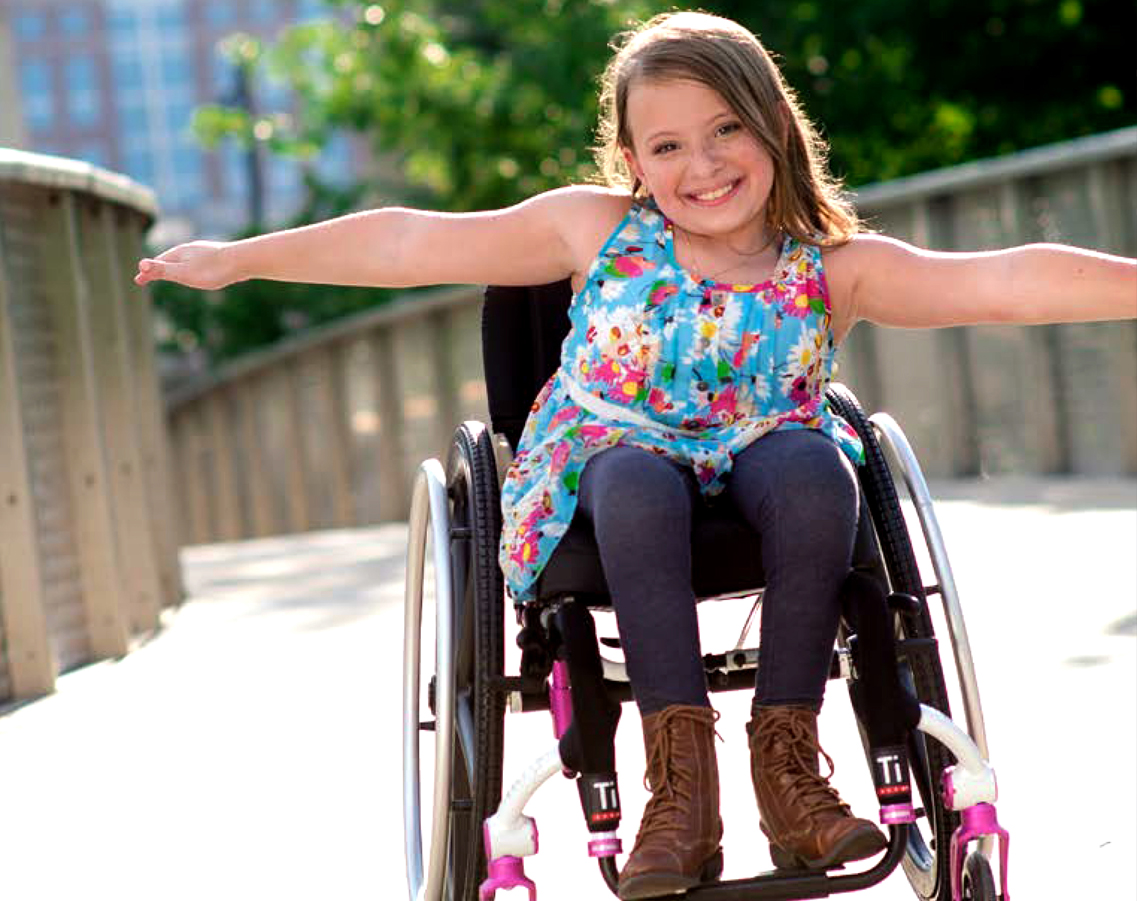
A kids wheelchair (generally referred to as a paediatric wheelchair) is a mobility device designed…
Stander vs Gait Trainer

Standers and gait trainers are both designed to support and assist individuals in an upright position. Standers help maintain an upright weight-bearing position primarily for postural support and related benefits. Whilst gait trainers are designed to assist with walking, offering balance and weight-bearing support while the user takes steps.
Getting in a standing position counters the adverse effects of gravity experienced by those who remain in a sitting position for long periods.
Stander Features
Standers are primarily designed for individuals who need support to stand. The key features of a stander allow for a safe and supported standing position thanks to the adjustable supports and straps that can be adapted for each individual’s requirements.
Benefits of a Stander
Increasing/Maintaining Bone Density – As children develop, standing and walking in a weight-bearing position promotes normal bone density and growth. A stander facilitates weight bearing through the lower limbs.
Maintain Skin Integrity – Remaining in the one position increases the risk of skin breakdown, especially for individuals who have trouble repositioning themselves independently. A stander allows for the weight focus to be shifted from at risk areas encountered in prolonged sitting or lying.
Blood Circulation & Cardiovascular Function – An upright weight-bearing position (even with the assistance of a stander) has been shown to improve blood pressure, heart rate and reduce lower extremity swelling in some cases.
Gastrointestinal (GI) Function – Being in an upright position utilises the advantage of gravity to aid digestive functions and the management of constipation.
Hip Joint Integrity – As a baby grows and develops, standing and the eventual progress of walking independently helps form the necessary level of congruency of the hip joints and leads to more stable hips. A stander is a promoter of hip development for children with an inability to stand independently, and can help prevent hip dislocation or subluxation. A stander can also further position a child’s hips into adjustable degrees of hip abduction.
Recent advancements in standers include offering an abducted leg position. Helping further promote healthy hip joint development.
Joint Range of Motion – Standers help broaden and maintain an individual’s range of motion and helps reduce the risk of developing muscle contractures. Being in a standing position, even with weight bearing assistance allows the muscles to move ensuring they can contract and relax. This gives the muscles a greater chance to maintain their elasticity and strength. It also promotes better blood circulation, delivering essential nutrients and oxygen to muscle tissue.
Social Participation – Standing allows the individual to participate, access and engage in their environment through a different lens. Being able to experience and be included in a supported standing position often leads to greater confidence and participation in social activities and learning tasks.
Types of Standers
Sit-to-Stand – Often featuring adjustable supports for the trunk and legs, a sit-to-stand stander enables transition from a seated to standing position. Active and passive standing is available in line with the individual’s ability to bear weight on their legs.
Prone – Supporting the users from the front, prone standers encourage weight-bearing on the legs and arms. Angle adjustment is available to stimulate weight-bearing and range of motion. Prone standers are suitable for individuals with good head control. Transfers into prone standers beyond pediatric sizes can be challenging and needs to be considered when choosing a stander.
Supine – Ideal for those with limited head and trunk control, a Supine Stander supports the individual from the back. Offering anterior and lateral support to maintain symmetry and correct foot, knee and trunk positioning. Suitable for use with a hoist for those who need assistance with transfers.
Multi Position – Providing versatility, multi-position standers allow for a range of angles and positions and can be converted between supine, upright and prone.
Upright (Vertical) – Suitable for individuals with good head and trunk control and able to bear weight on their legs. An upright stander positions the user in a full upright stance with full weight bearing through the legs. As with prone standers, transfers need to be considered.
Mobile/Dynamic – Allowing movement and mobility while standing, mobile standers can be used via self-propulsion or via caregiver assistance.
Summary
Primarily designed as a stationary device, a stander supports an upright weight-bearing position. Promoting bone density, muscle stretching and improves blood and oxygen circulation and organ function. Standers are principally developed and designed for individuals with significant mobility challenges who are unable to stand independently. Gait trainers are a mobility assistance device designed to facilitate walking and active movement. A gait trainer provides a more comprehensive trunk and pelvis support than a traditional walker. Assisting with balance, coordination and the reciprocal motion of walking.
Both a stander and gait trainer offer physical and social benefits. With a stander focused on static weight-bearing support and postural alignment. Whilst a gait trainer is more focused towards development of ambulation skills and dynamic movement.
To read more on Gait Training click HERE.
Related Posts